
No hotels found for this filter. Try a different category.
View All HotelsHotels with Breakfast Included in Abu Simbel — What to Expect
The colossal rock-cut temples of Abu Simbel, built by Ramses II over 3,200 years ago, are the sole reason travelers make the journey to this remote part of southern Egypt. The main draw is the sheer scale and preservation of the Great Temple, with its four 20-meter tall seated statues of the pharaoh guarding the entrance. Just next door, the smaller Temple of Hathor, dedicated to Ramses’ favorite wife Nefertari, is equally impressive. Visiting at dawn, when the sun first illuminates the temple facades, is a profound experience.
Abu Simbel is a destination for history enthusiasts and those completing a Nile cruise itinerary, not for nightlife or shopping. Most visitors arrive on a day trip from Aswan, either by a short flight or an early morning convoy drive across the desert. There is a small, simple village near the temples, but almost all tourists stay in Aswan. This makes it an easy add-on for couples, solo explorers, and families already exploring Upper Egypt.
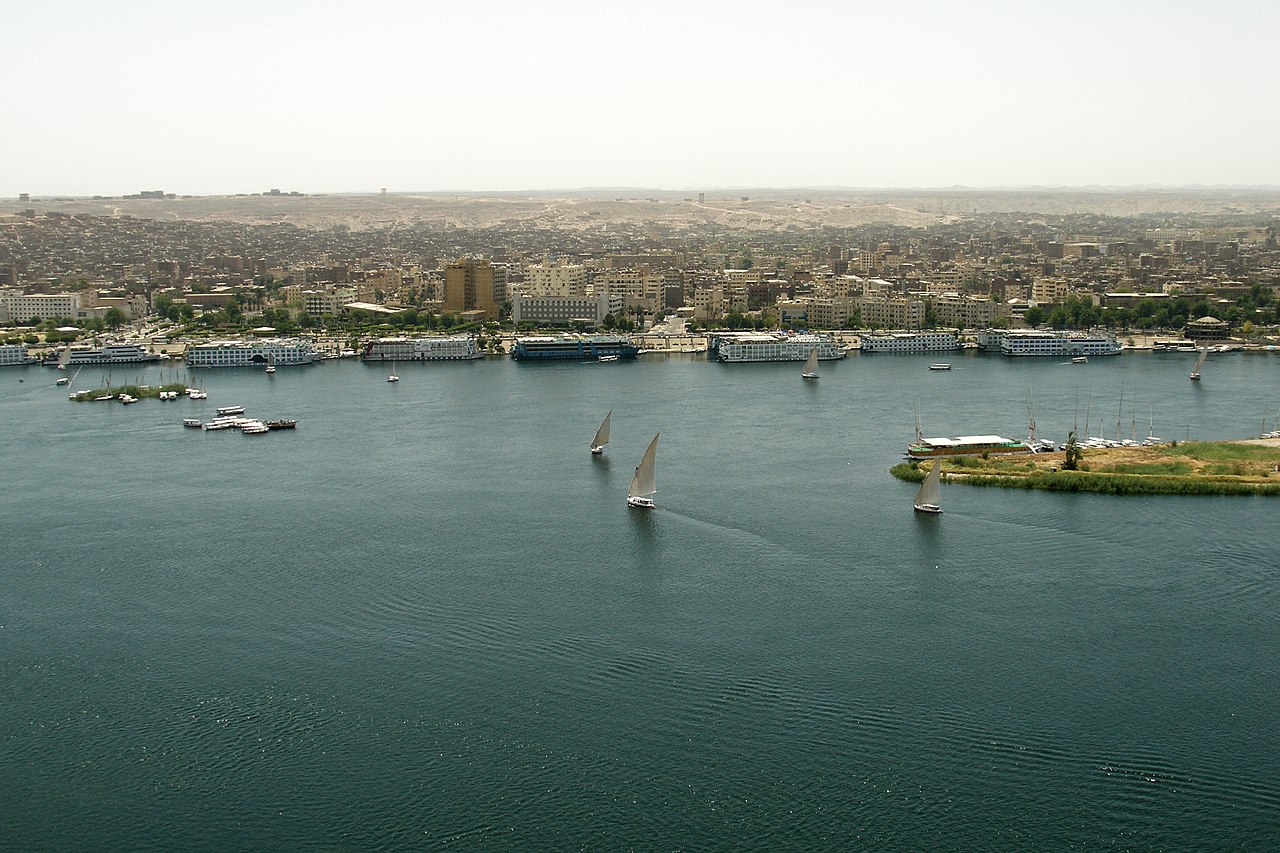
Accommodation in Abu Simbel itself is very limited, typically consisting of a few basic guesthouses like the Eskaleh Nubian House, which offers authentic mud-brick rooms. In nearby Aswan, your HOTEVI options range widely. You can find historic grand hotels like the Sofitel Legend Old Cataract, the modern Movenpick Resort Aswan on an island, or more budget-friendly Nile-view hotels.
Updated
Popular Amenities
Frequently Asked Questions
What is Abu Simbel known for?
Abu Simbel is known for its two colossal rock-cut temples, Temple of Ramses II and Temple of Nefertari, which were built to commemorate the pharaoh's military victories and his love for his queen.
Best time to visit Abu Simbel?
The best time to visit Abu Simbel is from October to March when the weather is mild and comfortable, with average temperatures ranging from 15°C to 25°C (59°F to 77°F).